DigestFlow Official Website › Batch Verify
Batch VerifyVerify A DigestFlow Batch
Bottles shipped from this desk carry lot DIG-26/DI-5237.
The certificate reference is DIG-5237-26-DI. Both are filing references rather than laboratory proof, and this page is candid about the difference. What you can check yourself is the seal, the lot and best-before printing on the base, and the panel against the one published here.
What to check on the bottle that arrives, what the lot code is, and the four things a reference number cannot tell you.
The DigestFlow batch record for stock shipped here
Six fields, and a plain statement of what the two reference numbers are.
| Field | Value | What it is |
|---|---|---|
| Lot | DIG-26/DI-5237 | The production batch reference for stock shipped from this desk |
| Certificate reference | DIG-5237-26-DI | A filing reference for the paperwork held against that batch |
| Printed where | On the base of the bottle, where the bottle shows it | Beside the best-before date |
| Distributed for | North Scale | As printed on the label artwork |
| Origin line | Manufactured in the USA with globally sourced ingredients. | As printed on the label artwork |
| Match an order to a batch | +1 (877) 257-0710 | The order desk can tie an order ID to what was shipped |
These are administrative references. Neither of them is a test result and neither is published as a document on this website.
That last line is the one most sites in this category leave out, so it is worth stating plainly. A lot code identifies a batch. A certificate reference identifies a file. Neither is the file itself, and publishing a number without the document behind it is not transparency, it is the appearance of it.
Six checks on the DigestFlow bottle you received
Six things, and all six can be done in the time it takes to make tea.
The safety seal
Under the cap, intact. The label’s own instruction is in capitals: do not use it if the safety seal is damaged or missing. That is the one check with an instruction attached rather than a recommendation.
The lot code on the base
It should read DIG-26/DI-5237 for stock shipped from this desk. A different lot is not evidence of anything wrong on its own, but it is not a batch this desk can speak for, and it usually means the bottle came from elsewhere.
The best-before date
Printed beside the lot, where the bottle shows it. A short remaining date on a new purchase is the commonest sign of stock that has been sitting somewhere, and it matters more on a polyphenol panel than on a mineral one.
The panel against this website
Five rows, the amounts in the panel published here, and one other-ingredients line reading hypromellose. If the bottle and this page disagree, the bottle governs and this desk wants to know at [email protected].
The caffeine line
“Contains Caffeine” should appear beneath the other-ingredients line. It is the single most consequential piece of type on the pack and its absence would mean a different label.
The count
30 capsules, 30 servings per container. Worth counting once on a first bottle, which takes a minute and is the only check nobody ever does.
What a DigestFlow lot code cannot tell you
Five things a batch reference does not establish, and what would.
- What is actually in the capsule. A lot code identifies a batch; it does not assay it.
- Whether that batch was tested to any particular standard, or by whom.
- How the bottle has been stored between the factory and your hand, which is the variable a buyer has least visibility of and the label cares most about.
- Whether a bottle bought from a third party came from the batch it says it did.
- Anything about whether the formula works, which no batch record addresses.
A published certificate of analysis for the batch, showing identity, purity and the actual measured amounts against the label claim, with the laboratory named and dated. That is what full batch transparency looks like, this product does not publish one, and the testing page says the same about the marks on the pack.
If something about your DigestFlow bottle looks wrong
Four steps, in the order that keeps your options open.
Do not take it
A broken seal, a panel that differs from the one published here, or a lot code that does not match are all reasons to stop before the first capsule rather than after it.
Photograph it before you do anything else
The base of the bottle with the lot and date, the panel, and the seal. Two minutes now saves a long conversation later.
Call the order desk
+1 (877) 257-0710, with your order ID. That desk can tie an order to what was shipped, which is the thing no web page can do.
Say if it arrived damaged or wrong
It changes who pays the return postage. Where the item arrived damaged, defective or wrong through the seller’s error, it is not the buyer’s cost, and the refund policy sets that out.
What a DigestFlow best-before date actually governs
What it is, what it is not, and which two rows on this panel it is really about.
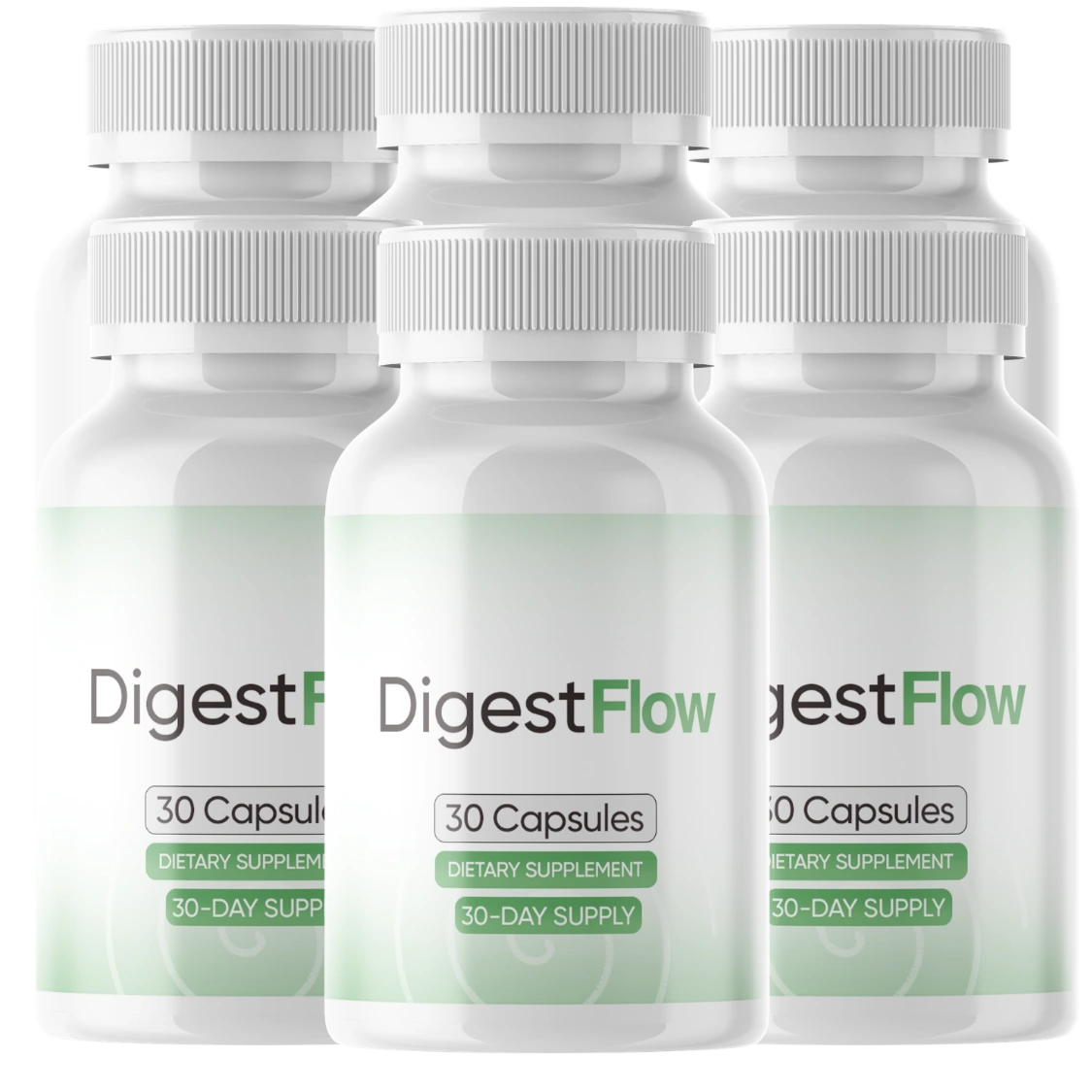
A best-before date on a supplement is a manufacturer’s statement that the declared amounts should still be present if the product has been stored as the label asks. It is not a safety cliff and it is not a sell-by date.
What it governs on this panel is worth being specific about. Caffeine anhydrous is a stable compound and is not the row anybody should worry about. The two polyphenol rows are the ones that degrade, because catechins and chlorogenic acids are sensitive to heat, light and moisture in a way a dried alkaloid is not.
That has a practical consequence for the six-bottle pack specifically. Half a year of supply means the last bottle sits wherever you put the first one for five months, so a cool dry cupboard is doing more work on this product than it would on a mineral tablet.
The label’s own instruction is the whole of the guidance: Store this product in a cool, dry place below 30°C (86°F). A bathroom cabinet is the warmest, dampest place in most homes and is the commonest wrong answer.
- Below 30 degrees Celsius, which rules out a car, a conservatory and a windowsill.
- Dry, which rules out a bathroom.
- Sealed until needed, which matters most on the six-bottle pack.
- Out of reach of children, which the label asks for in capitals.
DigestFlow batch questions this desk gets asked
Four questions that come up, answered including where the answer is no.
“My lot code is different from the one on this page”
That means the bottle came from a different batch, most often because it was bought through a third party rather than here. It is not evidence that anything is wrong with it; it does mean this desk cannot speak for it and that the refund window described here does not attach to it.
“There is no certificate I can download”
Correct, and this page says so rather than implying otherwise. What exists is a reference, DIG-5237-26-DI, which identifies a file rather than being one. A published assay naming a laboratory and a date would be better and this product does not have one.
“The base of my bottle is hard to read”
Inkjet coding on a curved plastic base smudges, and this is common across the category rather than peculiar to this product. Photograph it and call +1 (877) 257-0710 with your order ID; the order desk can tie the order to what was shipped.
“Can you tell me what is measurably in my capsule?”
No, and no retail desk can. What this desk can do is publish the printed panel in full so that the claim is at least checkable in principle, which is more than a proprietary blend allows and less than an assay would prove.
Who publishes this DigestFlow page?
Every figure on this page is read off the label artwork or the distributor’s own batch record, and the two reference numbers are named as references rather than as proof.
Order DigestFlow and check the bottle on arrival
Lot DIG-26/DI-5237, five printed rows, and 60 days from the date of purchase.
Two bottles $158 · six bottles $294 · 60 days from the date of purchase
Order DigestFlow On The Official WebsiteOne capsule a day · 30 per bottle · lot DIG-26/DI-5237