DigestFlow Official Website › Blog › Why Does Caffeine Hit Some People Harder?
Why Does Caffeine Hit Some People Harder? Slow Metabolisers and DigestFlow
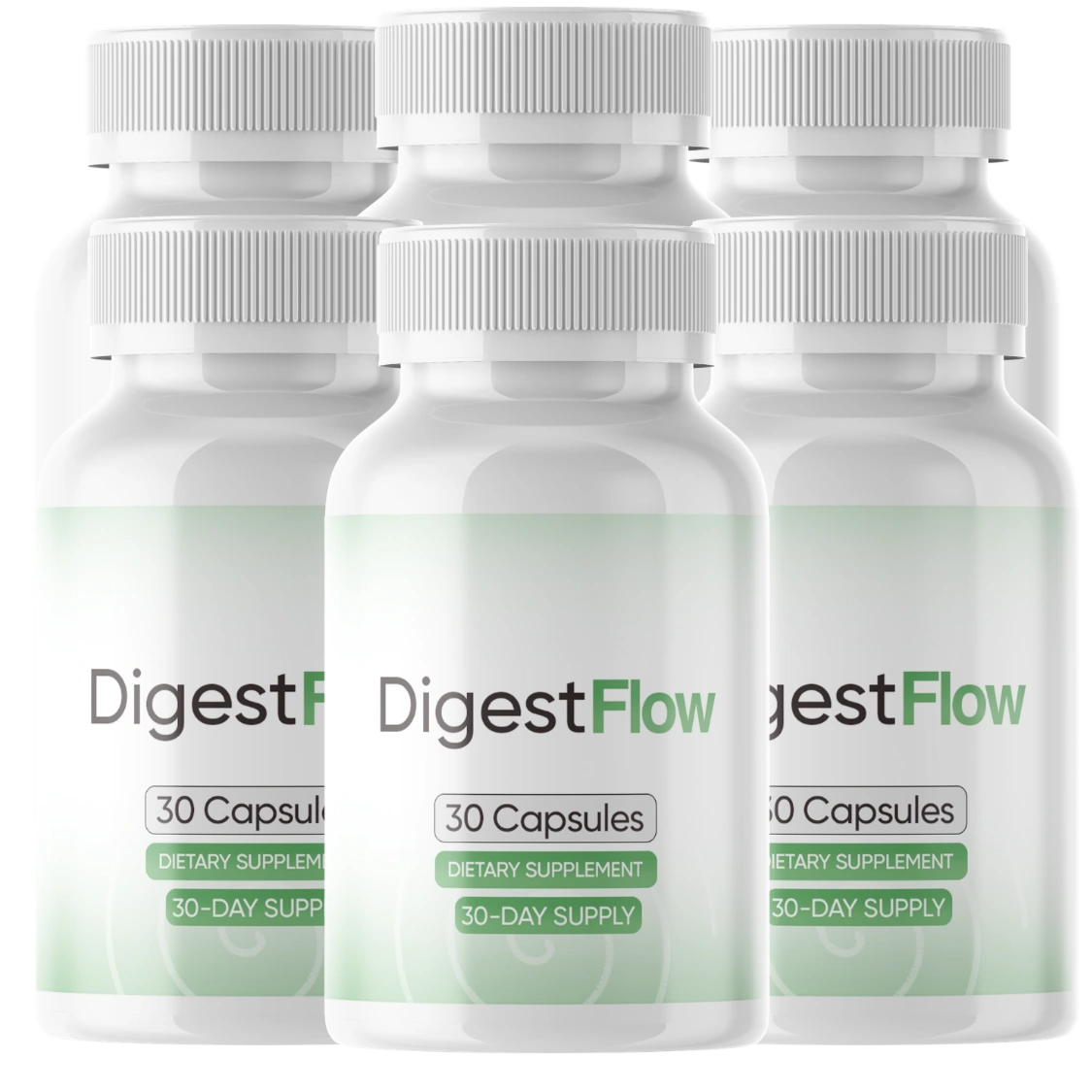
People clear caffeine at different speeds. A half-life of roughly four to six hours is typical, longer in some, and several medicines slow clearance further, so 138 mg can act like a larger dose. If a DigestFlow capsule keeps you awake or jittery, take it with breakfast, count other caffeine, and ask a pharmacist.
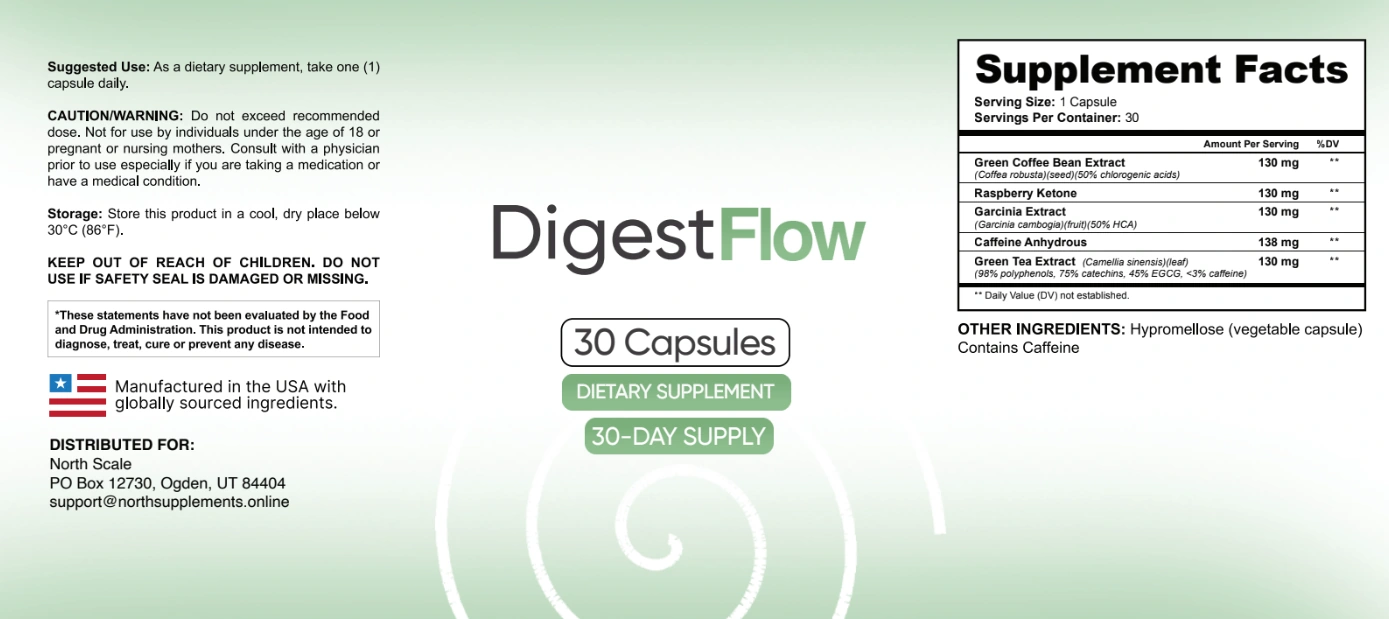
- Each capsule holds 138 mg of caffeine anhydrous, plus a trace from the green tea extract.
- The FDA cites 400 mg a day for healthy adults. EFSA agrees and adds that single doses up to 200 mg raise no safety concern.
- Caffeine’s half-life is roughly four to six hours in most adults and longer in some.
- Several medicines slow caffeine clearance, and others work the other way. The label asks you to consult a physician if you take a medication.
- Sleep trouble is the commonest effect, and the easiest to fix by moving the capsule to breakfast.
What is a slow caffeine metaboliser?
A slow caffeine metaboliser is someone whose body clears caffeine more slowly than average. The same cup or capsule stays in the system longer and acts for longer. A fast one clears it sooner and feels less.
People often find out by accident. A coffee at four in the afternoon wrecks one person’s night and leaves another untroubled. The systematic review behind the 400 mg figure notes wide variation between individuals in both sensitivity and clearance.
This site does not publish a test for it, and it cannot tell you which type you are. The signs below are practical clues, not a diagnosis.
What does it feel like, and what usually helps?
| What you notice | Who tends to get it | What usually helps |
|---|---|---|
| Trouble falling asleep | Anyone taking the capsule after about midday, and slow metabolisers at any hour | Move it to breakfast |
| Jitters or a racing feeling | People already close to their own limit before the capsule | Drop a coffee on capsule days, or stop |
| A faster heartbeat | Caffeine-sensitive people, and anyone on a medicine that slows caffeine clearance | Speak to whoever prescribes the medicine before the next capsule |
| Heartburn | People whose reflux caffeine already sets off | Your own experience beats a statistic. If coffee does it, this may too |
| Headache after stopping | Anyone who took it daily for weeks and then stopped suddenly | It is ordinary caffeine withdrawal and passes in a few days |
These are caffeine effects in general. They are not peculiar to DigestFlow.
If you cannot sleep even when the capsule is taken at breakfast, that is a clue. Poor sleep can itself make gut symptoms worse, so a capsule that costs you sleep can push the thing you are measuring the wrong way.
Know your caffeine total first
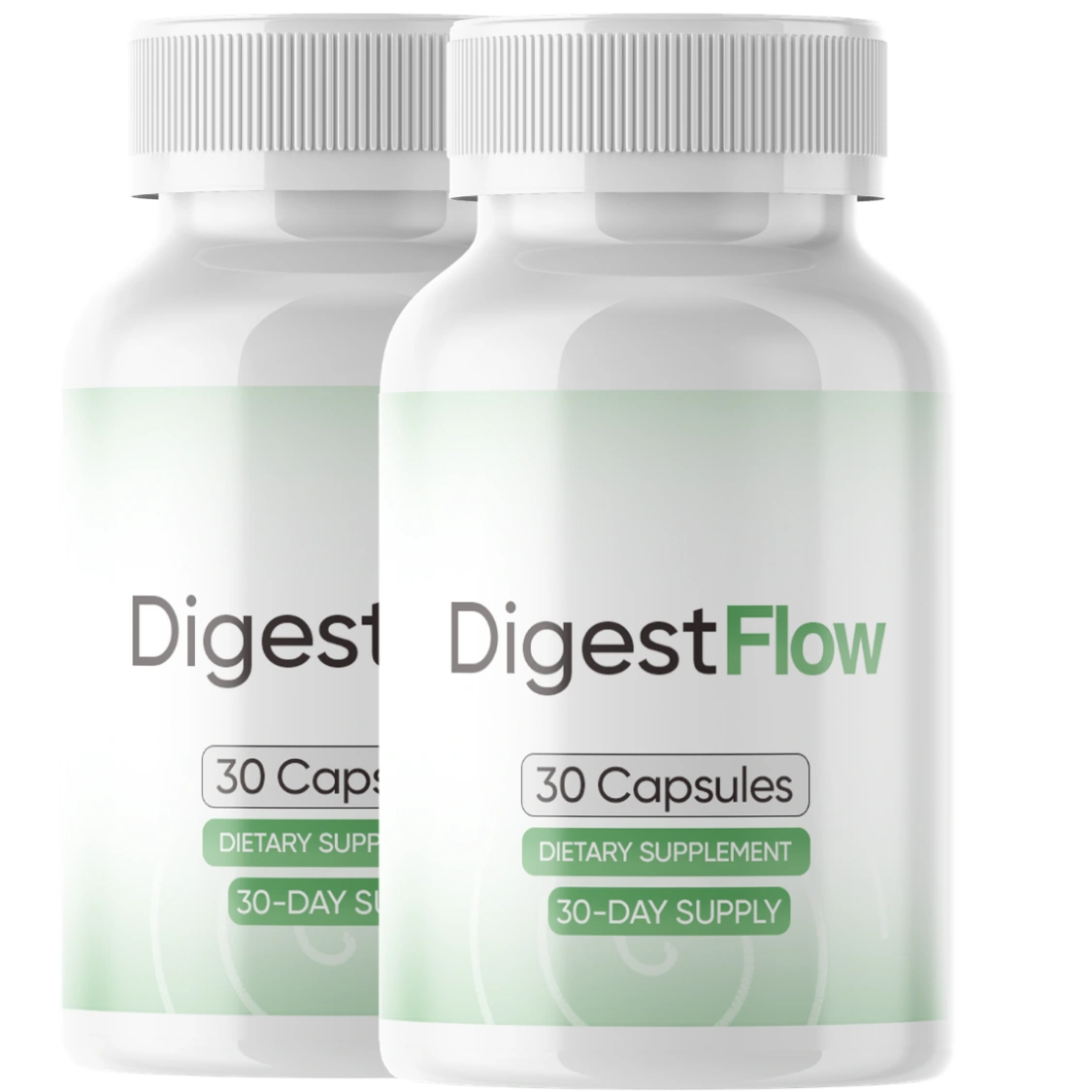
If you decide to try DigestFlow, the order page shows today’s price and the 60-day terms. Count your daily caffeine for a week before the capsule arrives.
See today’s price and guaranteeThis website is a retail desk, the U.S. stocking partner for DigestFlow, not the maker. BuyGoods processes the checkout.
How does 138 mg sit against the published limits?
| Figure | Amount | Where it comes from |
|---|---|---|
| One DigestFlow capsule | 138 mg, up to about 142 mg with the tea trace | Label and its percentages |
| Two capsules | 276 mg | 2 × 138 mg, which the label says not to do |
| One capsule plus a large coffee | around 280 mg | This site’s own estimate |
| Daily figure for healthy adults | 400 mg | FDA, and EFSA independently |
| Single dose with no safety concern | 200 mg | EFSA, for adults |
| Rapid intake linked to seizures | around 1,200 mg | FDA estimate |
One capsule is comfortably inside the daily and single-dose figures. The sum that matters is the capsule plus everything else you drink. Those figures also assume an average clearance rate. A slow metaboliser feels a given amount for longer.
Coffee varies a lot, from about 95 mg a cup to well over 200 mg depending on the bean, the grind and who made it. So count your own cups, not an average.
Which medicines change how caffeine acts?
Caffeine is cleared largely by one liver enzyme. Several medicines slow that enzyme, which turns 138 mg into an effectively larger dose. Others work in the other direction. Some medicines are also affected by caffeine in turn.
This site does not publish a list of medicines, and it will not guess at one. That is a question with a specific answer for your own list, and a pharmacist can usually give it in minutes. The label says the same thing in one line: consult a physician prior to use, especially if you are taking a medication or have a medical condition.
- Does anything I take change how fast caffeine is cleared?
- Does caffeine change how any of my medicines work?
- Is 138 mg a day a problem with my heart rhythm or blood pressure?
- Should I count my tea, cola and energy drinks as well as coffee?
- Is the green tea extract or the garcinia row a concern with my liver history or my medicines?
- What should I do if my sleep gets worse?
How do you run a one-week caffeine check?
Write down everything with caffeine for seven days before you start. Coffee, tea, cola, energy drinks, pre-workout. Add 138 mg for the capsule and compare the total with 400 mg.
If you are already near the limit, the capsule pushes you over it. If you are well inside, take the capsule at breakfast, keep the hour fixed, and note your sleep for the first three days. Those who struggle usually find out in that time, through sleep and jitters rather than through digestion.
A last point on what not to do. Do not take two capsules to speed things up. The label says not to exceed the recommended dose, and nothing on the panel acts faster when doubled.
Who should not take DigestFlow because of caffeine?
- Anyone avoiding caffeine on medical advice, because there is no caffeine-free version.
- Anyone told to cut caffeine because of poor sleep.
- Anyone with an arrhythmia, uncontrolled high blood pressure, or an anxiety disorder that caffeine reliably worsens.
- Anyone pregnant or nursing, and anyone under 18, as the label says.
- Anyone taking a medicine that changes caffeine clearance, until a pharmacist or doctor has looked at the list.
If one of these is you, the answer is a conversation with a doctor, not a capsule.
Where do these facts come from?
The facts above come from the printed label, the distributor’s paperwork and these sources, which this site already cites:
Frequently asked questions
What is a slow caffeine metaboliser?
Someone whose body clears caffeine more slowly than average, so the same dose acts for longer. This site cannot tell you if you are one.
Why does DigestFlow keep me awake?
Each capsule holds 138 mg of caffeine, which has a half-life of roughly four to six hours in most adults and longer in some. Taking it with breakfast usually fixes it.
Can medicines make DigestFlow stronger?
Several medicines slow how fast the body clears caffeine, which makes 138 mg act like a larger dose. Ask a pharmacist about your own list.
How much caffeine is too much in a day?
The FDA cites 400 mg a day as not generally linked to negative effects in healthy adults. EFSA reached the same figure and adds a 200 mg figure for a single dose.
Is there a caffeine-free DigestFlow?
No. The caffeine is the largest row on the panel, and no caffeine-free version is published.
What should I do if my heart races?
Stop the capsule and speak to whoever prescribes your medicines, or to a doctor, before the next one.
Our view
Caffeine is not one dose for everyone. The same 138 mg can be a pleasant morning lift for one person and a lost night for another. Medicines can tilt it further, and only your own list can answer that.
If DigestFlow does not suit your sleep or your heart, the fix is simple: stop, and call the order desk about the guarantee. Do not push through to prove a point.
If you take a medicine, have a heart, liver or sleep concern, or are pregnant, nursing or under 18, ask a doctor or pharmacist before you start.
A capsule with caffeine in it
The order page shows the current pack prices and the guarantee in full. The caffeine amount is printed on the label.
See today’s price and guaranteeThis website is a retail desk, the U.S. stocking partner for DigestFlow, not the maker. BuyGoods processes the checkout.
This page is general information, not medical advice. DigestFlow is a dietary supplement. It is not a drug, it is not FDA approved (no supplement is), and it is not intended to diagnose, treat, cure or prevent any disease. These statements have not been evaluated by the Food and Drug Administration. Ask your own doctor about your own situation.
Last updated .